
Americans’ Growing Economic Pessimism: Inflation, AI, and the Uncertain Future of Work
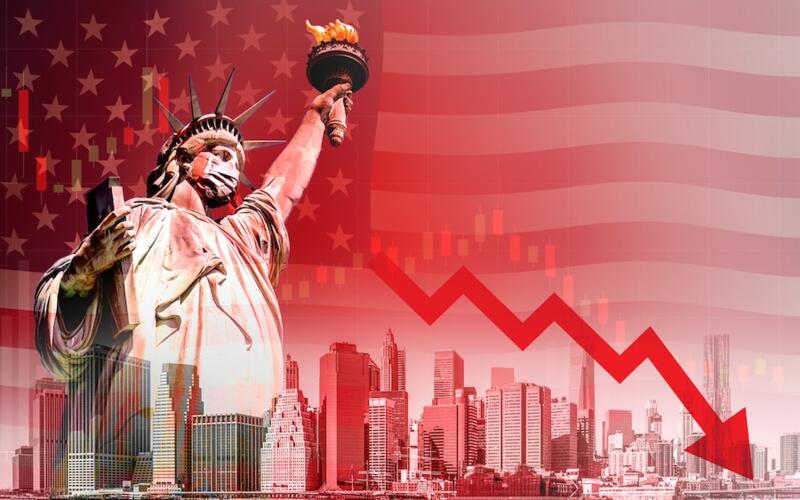
Recent surveys reveal a sharp rise in economic pessimism among Americans, signaling deep concerns about the nation’s financial outlook.
Nearly six in ten U.S. adults now believe the economy is getting worse, while only a third express confidence that conditions are improving. This growing unease highlights the weight of inflation, the fragility of the job market, and uncertainty about how artificial intelligence (AI) will reshape employment in the years ahead.
Inflation: The Biggest Driver of Economic Anxiety
The leading factor behind America’s economic gloom is inflation. For years, families have struggled with rising costs of groceries, housing, healthcare, and energy. Even when inflation shows signs of slowing, the cumulative effect on household budgets keeps optimism suppressed.
- Prices remain the core concern: Everyday essentials cost more, eating into savings and limiting discretionary spending.
- Persistent strain on families: Surveys show that Americans rank inflation above unemployment, interest rates, and government debt as the most urgent economic issue.
- Fragile optimism: Temporary dips in prices provide relief, but improvements are quickly overshadowed by fresh worries about affordability.
The Rise of AI and Job Market Fears
While inflation dominates short-term worries, the future of work in the age of AI has become a major source of long-term anxiety. Nearly half of respondents in recent polls said they expect AI to reduce job opportunities in their industries.
- Automation concerns: Workers fear AI-driven systems will replace tasks once performed by humans, particularly in administrative, retail, and customer service roles.
- Mixed optimism: Some Americans believe AI could simplify daily tasks and improve workplace efficiency, but overall sentiment leans toward caution.
- Job security vs. innovation: The tension reflects a broader question: will AI create more opportunities than it eliminates?
For many, the prospect of AI reshaping employment only adds another layer of uncertainty to an already fragile job market.
A Deeper Shift: From Today’s Paycheck to Tomorrow’s Opportunities
This wave of pessimism reflects something bigger than inflation or technology alone. Americans are not just worried about meeting today’s expenses—they are anxious about what opportunities will exist tomorrow. The workforce feels vulnerable, and the idea that automation might make jobs scarcer compounds fears of instability.
Yet history suggests that technological revolutions always bring both disruption and growth. From the Industrial Revolution to the internet boom, new innovations have consistently created new industries, skills, and leadership opportunities.
The question is whether the U.S. will meet this moment with fear—or embrace the creativity and resilience that have always driven progress.
Looking Ahead: Challenges and Opportunities
The path forward will depend on how effectively America addresses both economic and technological disruption.
Key Areas for Action
- Inflation management: Policymakers must balance interest rates, wage growth, and consumer affordability to rebuild confidence.
- AI integration: Businesses and governments alike need strategies to harness AI’s benefits while preparing workers for transitions.
- Workforce resilience: Investment in education, retraining, and skill development will be critical to turning uncertainty into opportunity.
Ultimately, the U.S. stands at a crossroads: either economic pessimism deepens, or a new era of innovation and adaptation redefines prosperity.
Rising inflation, job market fragility, and the disruptive power of AI have combined to fuel a wave of economic pessimism across the U.S. While these challenges are real, history proves that every period of disruption also unlocks new opportunities. The choice lies in whether Americans will face the future with apprehension—or with the creativity, resilience, and adaptability that have always defined progress.