
The Global Chronicle
The Greenland Gambit: Why the Arctic is the New Frontier of American Power
In a world gripped by resource scarcity and shifting tectonic alliances, the quest for the frozen North is no longer a historical curiosity—it is a modern necessity.
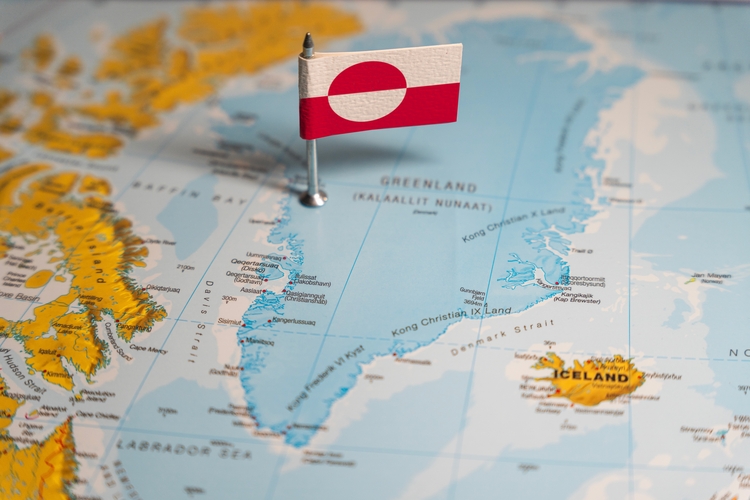
The year 2026 has brought an icy blast into the world of international diplomacy. In a move that has sent shockwaves from Copenhagen to Beijing, President Donald Trump has reignited his quest to acquire Greenland, framing the world’s largest island as the "essential missing piece" of American national security. What began as a widely dismissed suggestion in 2019 has transformed into a high-stakes geopolitical drama involving trillion-dollar defense projects and sweeping tariff threats.
The 'Golden Dome' Shield
Central to the current push is a massive initiative dubbed the "Golden Dome." Unlike traditional defense systems, the Golden Dome is envisioned as a multi-layered missile shield designed to protect the U.S. from hypersonic and ballistic threats. "It is not merely a defense," one official stated, "it is a silent guardian over the Western world."
According to administration officials at the 2026 World Economic Forum in Davos, Greenland's geographic position is non-negotiable. By placing advanced sensors and interceptors on the island, the U.S. aims to create a "near-100% effective" umbrella. While critics argue the project defies the laws of physics and could cost upwards of $1 trillion over 20 years, the White House views it as the ultimate deterrent against Russian and Chinese expansion in the deep North.
"We want a piece of ice for world protection... they have a choice. Say 'yes' and we’ll be appreciative. Say 'no' and we will remember."
The Economic Stakes
While military hardware provides the justification, the economic undercurrents are equally potent. Greenland is no longer just a "giant piece of ice"; it is a treasure trove of the 21st century's most valuable commodities. Rare Earth Minerals, long dominated by Asian markets, are found here in abundance. Minerals such as neodymium and dysprosium—critical for everything from EV batteries to the guidance systems of fighter jets—lie dormant beneath the ice.
Furthermore, as polar ice melts, new trade routes like the Northwest Passage are opening. Controlling Greenland would give the U.S. a dominant seat at the table for the future of global maritime logistics, potentially bypassing traditional shipping lanes that are prone to congestion and conflict. Energy sovereignty, too, plays a role; estimates suggest billions of barrels of oil and massive gas reserves lie beneath Greenland’s continental shelf, waiting for a stable hand to extract them.
As we move further into 2026, the "Greenland Gambit" represents more than just a real estate deal; it is a test of how traditional alliances hold up against the raw economic and security needs of a changing climate. Whether through a purchase, a lease, or a new "Arctic Sentry" alliance, the focus on this northern giant is unlikely to melt away.