
Espirato
The Shanghai Reset: Starmer’s High-Stakes Gamble Amid Trump’s Warning
As Prime Minister Keir Starmer touches down in Shanghai to thaw economic relations, a "very dangerous" verdict from Washington threatens to derail Britain’s post-Brexit trade survival strategy.
The historic skyline of Shanghai’s Bund served as the backdrop for a geopolitical drama today as Prime Minister Keir Starmer attempted to pivot the United Kingdom back toward the world’s second-largest economy. This "Shanghai Reset" is more than a diplomatic visit; it is a search for growth as the UK economy grapples with stagnant productivity and the looming threat of global trade protectionism. Starmer’s arrival signals a sharp break from the "Ice Age" of previous administrations, but the warmth from Beijing is already causing friction in Washington.

"Very Dangerous": The Trump Ultimatum
While Starmer was hailing "real progress" in talks with President Xi Jinping—securing a 50% cut in Scotch whisky tariffs and 30-day visa-free travel for Britons—the reaction from the United States was swift. Speaking from the premiere of the documentary "Melania" at the Kennedy Center, President Donald Trump labeled the UK’s move as "very dangerous." The warning was clear: any pivot toward Beijing could jeopardize the "Special Relationship" and a future UK-US trade deal.
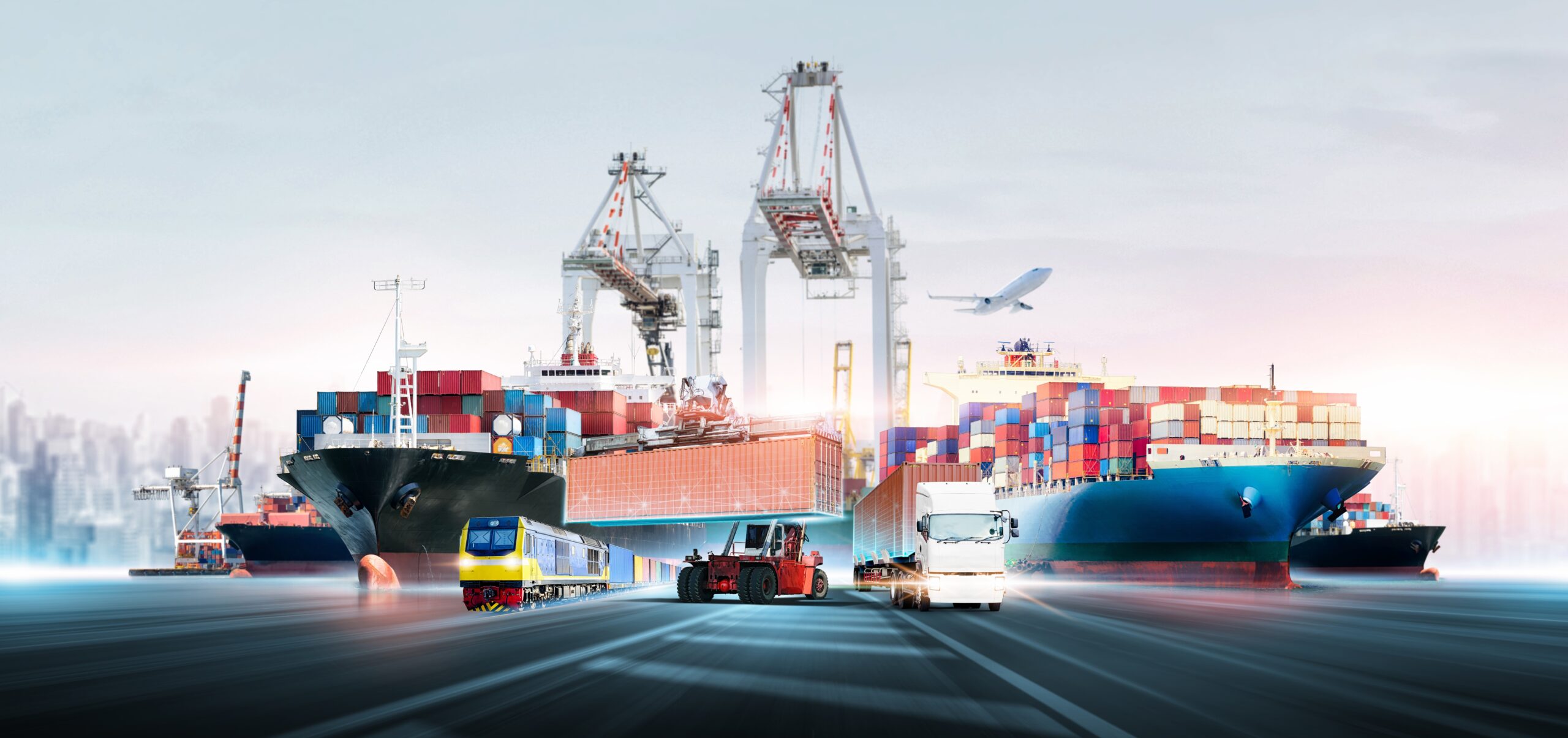
For the Espirato reader, the implications for international transport and logistics are profound. If the UK is forced to choose between a "Made in America" tariff wall and a "Shanghai Reset" market access deal, the British manufacturing sector faces an existential supply chain crisis. The UK is currently attempting to "de-risk" without "de-coupling," but in the zero-sum game of 2026 geopolitics, "pragmatism" may no longer be a viable option.
"The UK cannot stick its head in the sand. China is our third-largest trading partner, but in 2026, every trade deal is a geopolitical battleground."
Domestic Storm: Gordon Ramsay and the "Slaughter"
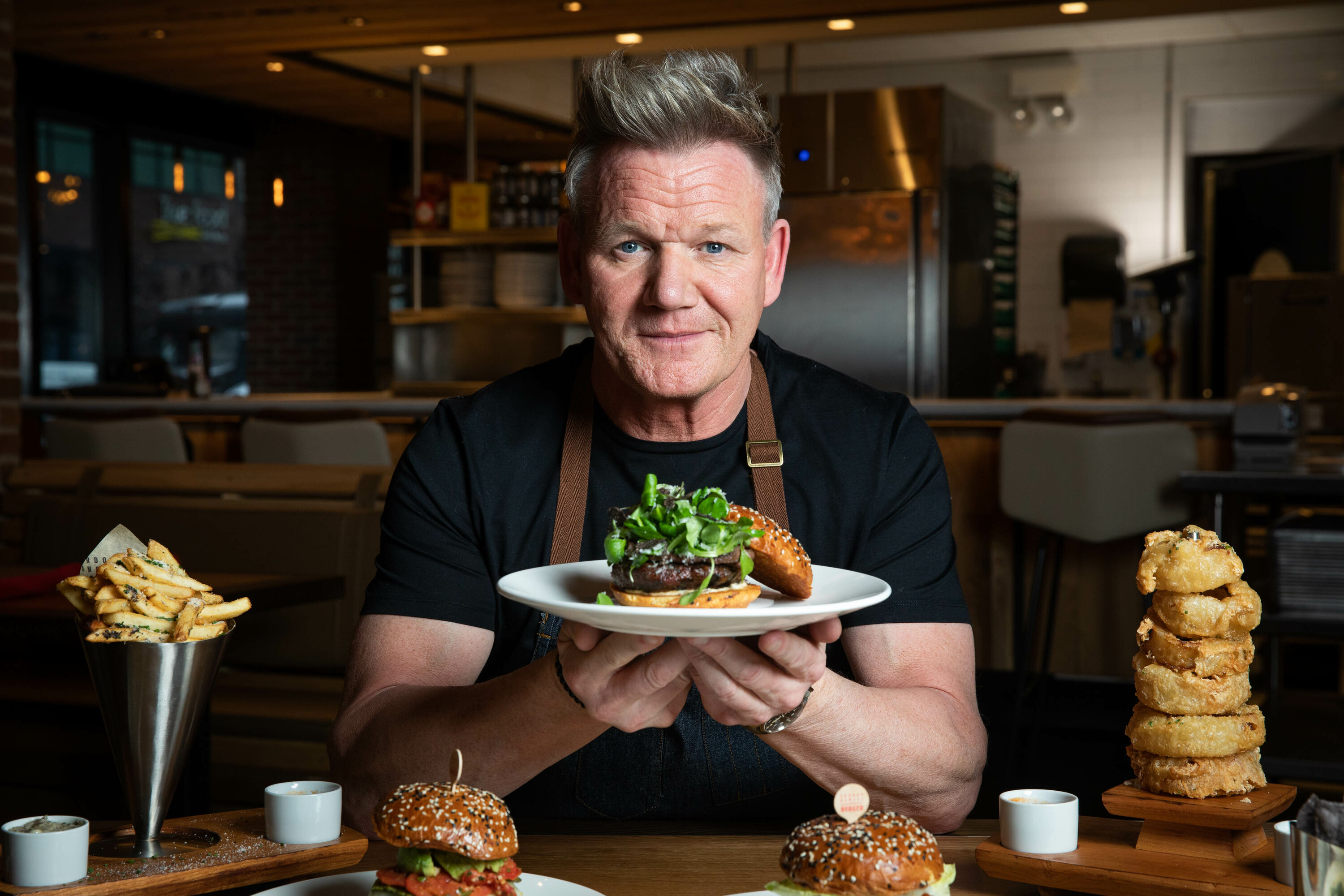
While Starmer hunts for billions in Shanghai, the economy at home is screaming for oxygen. Celebrity chef Gordon Ramsay today led a viral outcry against the government's planned **business rate hikes** coming in April. Labeling the hospitality sector "lambs to the slaughter," Ramsay warned of a "bloodbath" for pubs and restaurants—the very heart of the UK's service economy.
This domestic fragility makes the China deal even more critical—and more risky. Starmer is effectively using foreign policy to fix domestic tax holes, a strategy that relies on the US remaining a passive observer. But with the **Bombardier aviation tariffs** also threatening UK aerospace jobs, the "Special Relationship" looks more like a one-way street of economic coercion.
The "Betrayal" at Home: Sanctions as a Bargaining Chip
The diplomatic thaw has also ignited a firestorm within Westminster. While China agreed to lift sanctions on six British MPs, the affected parliamentarians have branded the move as a "betrayal." They refuse to let their status be used as a "bargaining chip" to overlook human rights concerns. This internal dissent threatens to undermine Starmer’s "hard-headed pragmatism," as political opponents accuse the government of kowtowing for foreign direct investment.
Conclusion: The British Tightrope
Britain is walking a dangerous line. Starmer's "Shanghai Reset" is a necessary move to fuel a sputtering economy, but the geopolitical price tag is rising by the hour. Between Trump’s looming tariffs and domestic tax revolts led by figures like Gordon Ramsay, the UK’s attempt to play both sides of the US-China divide is the ultimate economic stress test. In the next quarter, we will see if the "Special Relationship" survives this pivot, or if London finds itself isolated in a new era of trade warfare.
Stay tuned to Espirato as we monitor the fallout of the Shanghai Summit and the impact on global shipping lanes.